
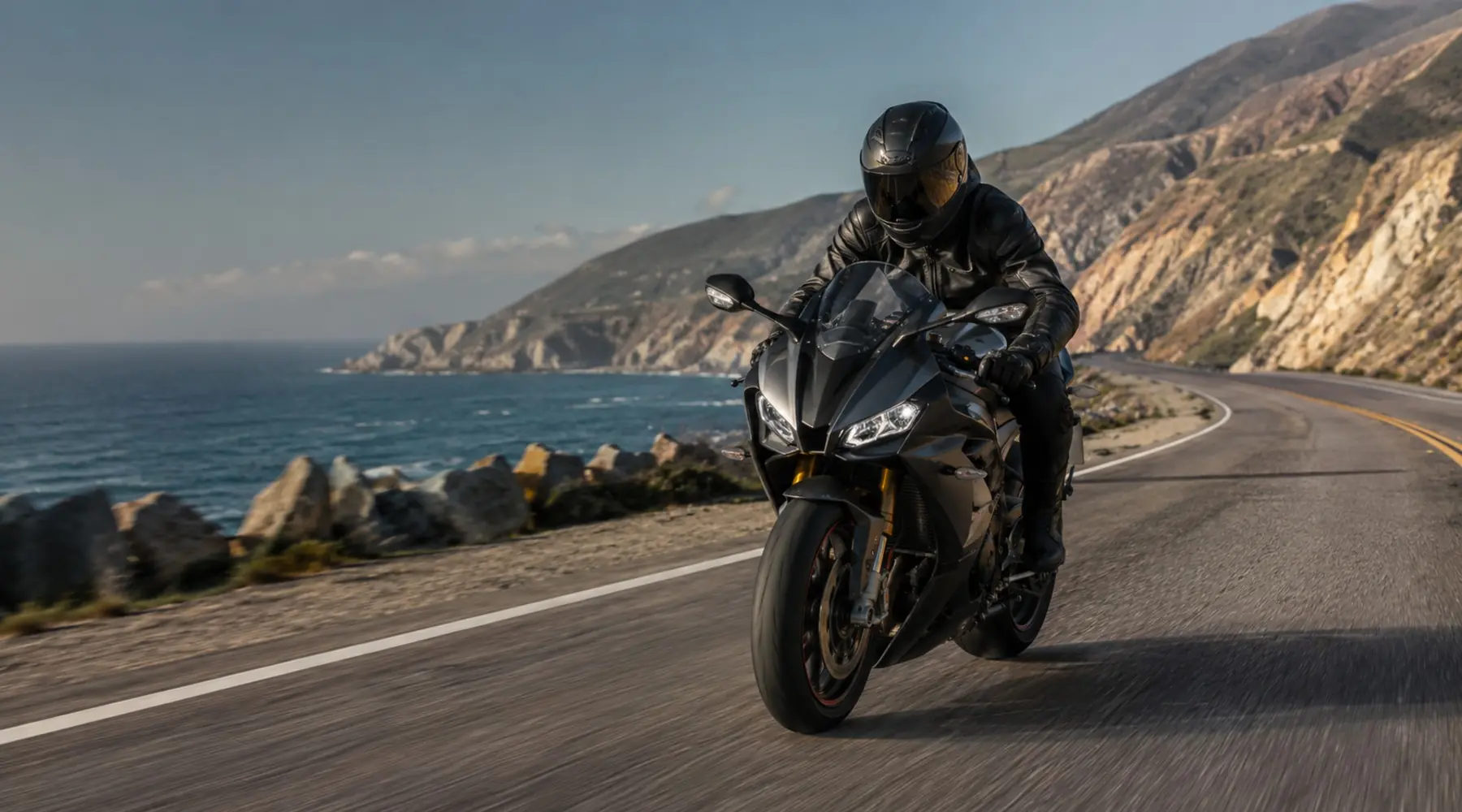
Motorcycle Equipment
Explore motorcycle helmets, luggage, locks and communication systems with guidance on fit, mounting, visibility and safe riding.
Browse Motorcycle Equipment
Explore DOT-compliant helmets, secure luggage, locks and helmet communication systems.
Essential motorcycle equipment starts with a properly fitted DOT-compliant helmet and protective riding gear. Add luggage that stays clear of wheels and exhaust, layered security and communication equipment that does not distract from riding.
Choose the right option
Compare fit, certification and real-world use.
Motorcycle Helmets
Full-face, modular and adventure options.
Motorcycle Luggage
Saddlebags, tail bags and touring storage.
Motorcycle Locks
Disc, chain and alarmed security.
Communication Systems
Bluetooth intercoms and group riding.
Protective Gear
Jackets, gloves, pants and boots.
Visibility Gear
Reflective and high-visibility equipment.
Roadside Tools
Compact repair and inflation support.
Buying Guide
Fit, mounting and equipment priorities.
Featured buying paths
Strong starting points based on safety and compatibility.
Best Motorcycle Locks
Combine visible, anchored and alarmed deterrence.
Read guide →Find the best fit for how you ride
Best starting points
Safety Foundation
- DOT-compliant helmet
- Armored jacket
- Gloves
- Over-ankle boots
Touring Foundation
- Secure luggage
- Rain gear
- Hydration
- Compact repair kit
Security Foundation
- Disc lock
- Anchored chain
- Cover
- Authorized tracker
How to build motorcycle equipment around protection, balance and rider attention
Motorcycles offer little crash protection, making rider equipment a primary safety layer.
NHTSA recommends a helmet meeting FMVSS 218 and notes that full-face designs provide greater coverage than open-face or half helmets.
Prioritize certified protection
Luggage must remain balanced and clear of suspension, wheels, chain, exhaust and lights.
Preserve balance and clearances
Security works best in layers because motorcycles can be rolled or lifted even when the ignition is protected.
Limit distraction and layer security
Communication systems should be operated with minimal distraction and set up before riding.
Ready to compare current options?
Browse available motorcycle equipment after reviewing fit, certification and safety.
Featured comparisons
Full-Face vs Modular
Compare protection and convenience.
Read comparison →Hard vs Soft Luggage
Compare security and weight.
Read comparison →Disc Lock vs Chain Lock
Compare portability and anchoring.
Read comparison →Mesh vs Bluetooth Intercom
Compare group flexibility and compatibility.
Read comparison →Popular brands for motorcycle equipment
Brands differ in certification, fit and system compatibility.
Ownership, setup and safety guides
How to Check Helmet Fit
Measure head shape and pressure points.
Read guide →How to Load Luggage
Keep weight low and balanced.
Read guide →How to Use a Disc-Lock Reminder
Prevent riding away with the lock installed.
Read guide →How to Pair Intercoms
Configure before departure.
Read guide →How to Inspect Riding Gear
Check impact damage and fasteners.
Read guide →How to Build a Pre-Ride Checklist
Inspect tires, controls, lights and loads.
Read guide →Related RideGearGuide hubs
Motorcycle Equipment FAQ
What motorcycle equipment is most important?
A properly fitted compliant helmet and protective riding gear.
Can motorcycle luggage affect handling?
Yes. Weight and placement can change balance and steering.
Are disc locks enough for security?
They add deterrence but work best with anchoring and recovery layers.
Are helmet intercoms safe?
They should be configured before riding and used without distraction.
How often should gear be inspected?
Before rides and after any impact or unusual wear.
Ready to Explore Motorcycle Equipment?
Use this guide to narrow the right option, then compare available motorcycle equipment from trusted retailers.
Browse Motorcycle Equipment →RideGearGuide may earn a commission from qualifying purchases made through affiliate links. This does not change the price paid.