
RideGearGuide Main Hub

Emergency Car Equipment

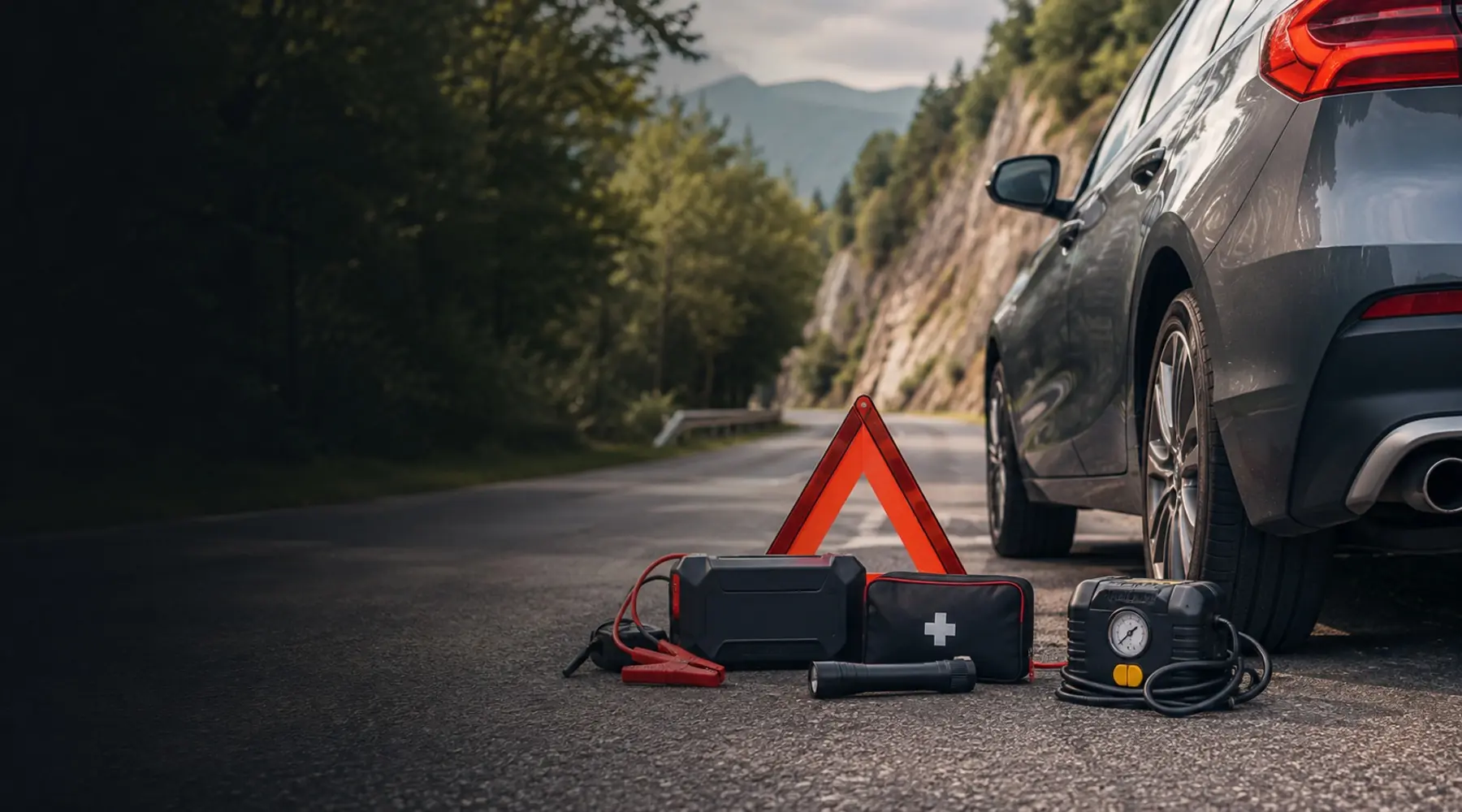
Build a layered vehicle emergency system for communication, visibility, first aid, tire problems, battery failures, weather and basic roadside self-recovery.

Emergency Car Equipment guide
8Preparedness Layers
4Seasonal Add-Ons
6Inspection Checks
1 GoalAccessible Roadside Readiness
Ready to shop?

Browse Emergency Car Equipment

Explore roadside kits, visibility gear, inflators, jump starters and first-aid supplies.

Trusted retailers · Category-wide selection · Compare before buying
Shop Emergency Car Equipment →
Quick Answer

A useful emergency kit covers communication, visibility, first aid, tire pressure, battery problems, weather and basic tools. Store critical items where they remain accessible after a breakdown and inspect batteries, medicines, food and seasonal supplies regularly.

Editor's recommendations

Best starting points by use case

Core Kit

  • Phone charger
  • First aid kit
  • Flashlight
  • Reflective warning device

Vehicle Support

  • Jump starter or cables
  • Tire gauge
  • Inflator
  • Basic tools and gloves

Seasonal Layer

  • Water and food
  • Blanket and clothing
  • Medicines
  • Regional traction or heat gear
Emergency Car Equipment explained

How to build emergency car equipment in layers instead of buying a random kit

Emergency preparedness works best when the kit covers predictable failure categories rather than simply maximizing piece count.

NHTSA recommends communication, first aid, lighting, warning devices, jumper cables, tire tools, water, food, medicine and blankets among core roadside supplies.

Editorial rule: Move away from traffic whenever possible and follow local roadside-safety rules. Equipment does not make an unsafe roadside location safe.

Cover communication and visibility first

Visibility equipment should be reachable before the driver exits the vehicle, especially at night or in poor weather.

Add vehicle-specific recovery tools

Battery and tire equipment must match the vehicle and should be practiced before an emergency.

Rotate seasonal and expiring supplies

Review the kit with seasonal changes and replace expired, discharged or damaged contents.

Ready to compare current options?

Browse current emergency car equipment after reviewing the fit, ratings and safety guidance above.

Browse Recommended Gear →
Compare before buying

Featured comparisons

Battery

Jump Starter vs Jumper Cables

Compare independence and maintenance.

Read comparison →
Tire

Inflator vs Sealant Kit

Compare pressure restoration and temporary repair.

Read comparison →
Visibility

Triangles vs Flares

Compare reuse, ignition risk and local requirements.

Read comparison →
Buying

Prebuilt vs Custom Emergency Kits

Compare convenience and useful content.

Read comparison →
Brand explorer

Popular brands for emergency car equipment

Brands differ in fit systems, ratings, service and accessory ecosystems.

NOCOJump starters and battery gearExplore →
AAARoadside kits and preparedness productsExplore →
First Aid OnlyOrganized first-aid kitsExplore →
SlimeTire inflators and repair productsExplore →
LifehammerVehicle escape toolsExplore →
Learning center

Ownership, setup and safety guides

How to Place Warning Devices

Follow local law and road conditions.

Read guide →

How to Store Emergency Water

Rotate and protect from extreme temperatures.

Read guide →

How to Check a Jump Starter

Recharge on the manufacturer schedule.

Read guide →

How to Read Tire Pressure

Use the vehicle placard, not sidewall maximum.

Read guide →

How to Audit First Aid Supplies

Replace expired and used items.

Read guide →

How to Adapt for Winter

Add warmth, traction and snow-clearing equipment.

Read guide →
Common questions

Emergency Car Equipment FAQ

What should every car emergency kit include?

At minimum: communication, first aid, light, visibility devices, tire support, battery support, water and basic tools.

Where should emergency equipment be stored?

Secure it where it remains accessible without unloading all cargo.

How often should a kit be checked?

At least seasonally and before long trips.

Are prebuilt roadside kits enough?

They are a starting point but often need vehicle-, climate- and family-specific additions.

Should medicines be stored permanently in a car?

Heat and cold can damage them, so follow storage guidance and rotate supplies appropriately.

Choose with confidence

Ready to Explore Emergency Car Equipment?

Use this guide to narrow the right setup, then compare available emergency car equipment from trusted retailers.

Browse Emergency Car Equipment →

RideGearGuide may earn a commission from qualifying purchases made through affiliate links. This does not change the price paid.

Scroll to Top