
Emergency Equipment Buying Guide
Build a vehicle emergency kit step by step around communication, visibility, first aid, battery and tire support, climate, passengers and accessible storage.
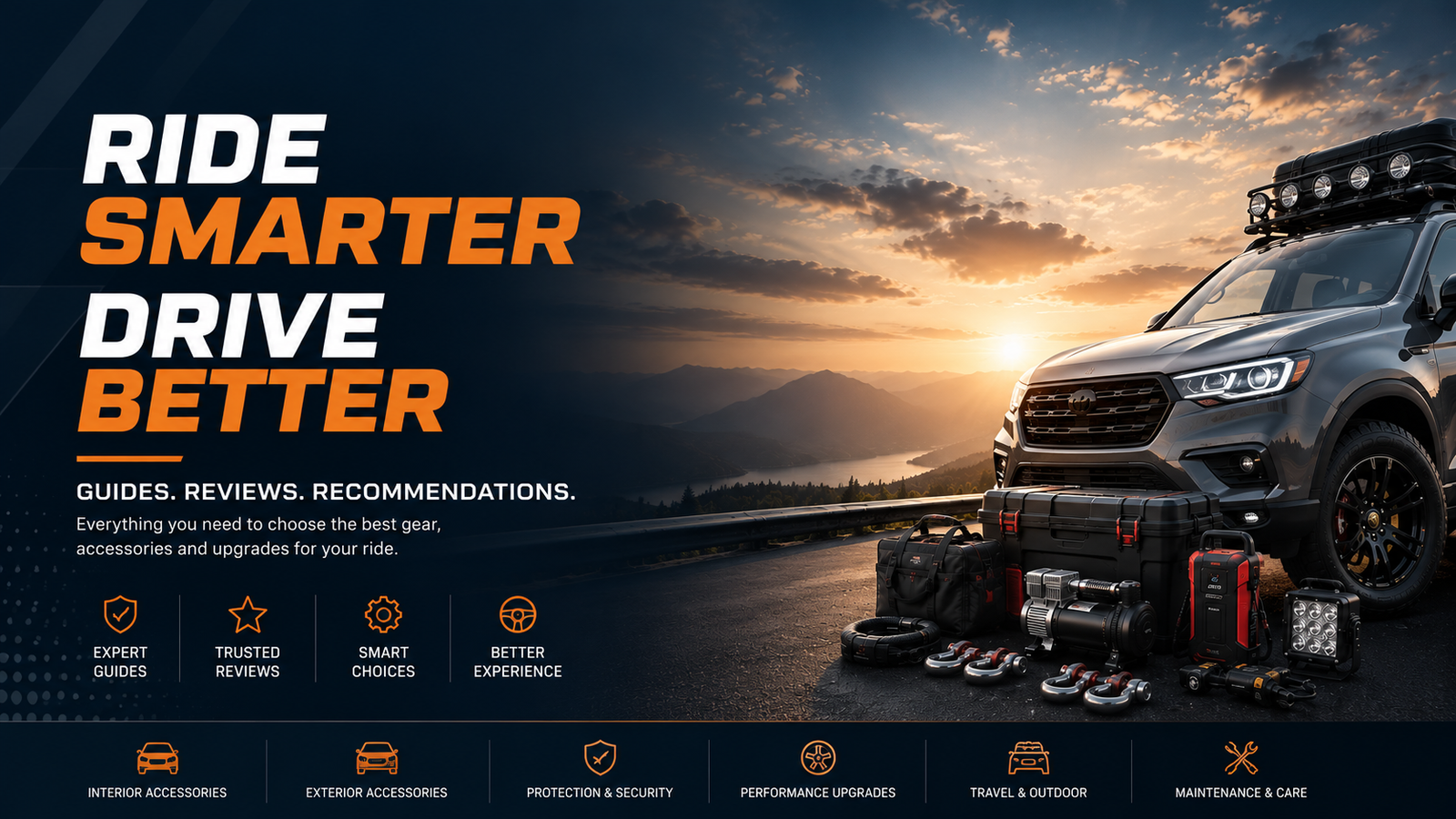
Browse Emergency Vehicle Gear
Use the guide below to identify essential categories, then compare compatible equipment.
Build emergency equipment in layers: communication and visibility first, then first aid, vehicle-specific tire and battery tools, and climate or route-specific supplies. Store everything securely and inspect it seasonally.
Choose the right option
Compare formats, fit and real-world use.
Communication
Phone, charger and backup power.
Visibility
Flashlight, reflective devices and white flag.
First Aid
Organized supplies and personal needs.
Battery Support
Jump starter or quality jumper cables.
Tire Support
Gauge, inflator and correct vehicle tools.
Seasonal Supplies
Warmth, traction, water and regional needs.
Storage & Access
Secure, labeled and reachable organization.
Browse Emergency Gear
Compare the correct product categories.
Featured buying paths
Strong starting points based on safety, compatibility and value.
Find the best fit for your situation
Best starting points
Essential Layer
- Phone charger
- Flashlight
- Warning device
- First aid kit
Vehicle Layer
- Jump support
- Tire gauge
- Inflator
- Basic tools
Personal Layer
- Water and food
- Blankets
- Medicines
- Emergency contacts
A practical framework for building emergency vehicle equipment without unnecessary gadgets
Emergency buying decisions should start with the problems most likely to leave occupants exposed or unable to call for help.
Communication, visibility and personal safety come before repair tools.
Prioritize life safety
Vehicle-specific items must fit the battery connection points, tire size, wheel hardware and jack system.
Match equipment to the vehicle
Climate and route change what belongs in the kit: winter warmth, desert water and remote-travel communication may become priorities.
Create an inspection schedule
A complete kit is only useful when occupants know where it is and supplies remain in serviceable condition.
Ready to compare current options?
Browse available emergency equipment buying guide after reviewing the guidance above.
Featured comparisons
Prebuilt vs Custom Kits
Compare convenience and completeness.
Read comparison →Cables vs Jump Starter
Compare cost, independence and upkeep.
Read comparison →Triangles vs Flares vs Beacons
Compare regulation, ignition and power.
Read comparison →One Bag vs Modular Cases
Compare portability and access.
Read comparison →Ownership, setup and safety guides
How to Create a Risk Profile
List climate, route and passengers.
Read guide →How to Audit a Prebuilt Kit
Remove filler and add missing essentials.
Read guide →How to Store Lithium Equipment
Follow temperature and charge guidance.
Read guide →How to Rotate Consumables
Track expiration dates.
Read guide →How to Make Gear Accessible
Avoid burying the kit under cargo.
Read guide →How to Practice Procedures
Review tire, battery and warning-device steps.
Read guide →Related RideGearGuide hubs
Emergency Equipment Buying Guide FAQ
What emergency equipment should be purchased first?
Phone charging, flashlight, warning devices and first aid.
Should I buy a prebuilt kit?
It can be a useful base, but review every component.
How much water should stay in the vehicle?
Carry an amount appropriate to passengers, climate and route, and rotate it.
How often should emergency equipment be inspected?
Seasonally and before long trips.
Where should the kit be kept?
Secured in a clearly marked, accessible location.
Ready to Explore Emergency Equipment Buying Guide?
Use this guide to narrow the right option, then compare available emergency equipment buying guide from trusted retailers.
Browse Emergency Equipment Buying Guide →RideGearGuide may earn a commission from qualifying purchases made through affiliate links. This does not change the price paid.